Timber, Aluminium or Plastic Framed Building? The Honest Comparison
Choosing a framed building for your garden usually raises one question: timber, aluminium or plastic? Each material has its own look, upkeep needs and price point. On this page we set the three options out honestly, so you can make an informed choice that suits your garden, budget and appetite for maintenance.
Deliverytime UK
7 to 14 days delivery time
For Fence and Decking
Free delivery from £4300
Up to £4300 delivery charge £250
Parcel service (small box) delivery £26
- Free delivery from £4.300
- Delivery in 14 days
- Up to £4.300 delivery charge of £250
Ipe packages
Large timber bundles
Delivery time 6-8 weeks
Delivered in 15 days
Package L
From £ 4.300 free deliveryPackage XL
From £ 4300,- free delivery7 to 14 days delivery time
Package L
From £ 4300 free deliveryPackage XL
From £ 4300,- free delivery7 to 14 days delivery time
Package L
From £ 4300 free deliveryPackage XL
From £ 4300,- free delivery15 days delivery time
Package L
Delivery price on requestPackage XL
Delivery price on requestFramed Buildings · Material Comparison
Timber, Aluminium or Plastic Framed Building? The Honest Comparison
Choosing a framed building for your garden usually raises one question: timber, aluminium or plastic? Each material has its own look, upkeep needs and price point. On this page we set the three options out honestly, so you can make an informed choice that suits your garden, budget and appetite for maintenance.
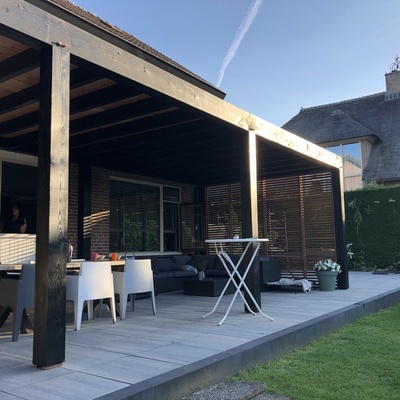
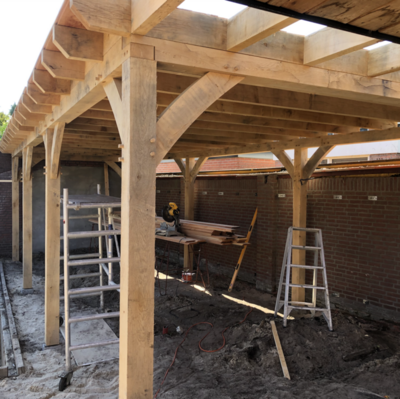
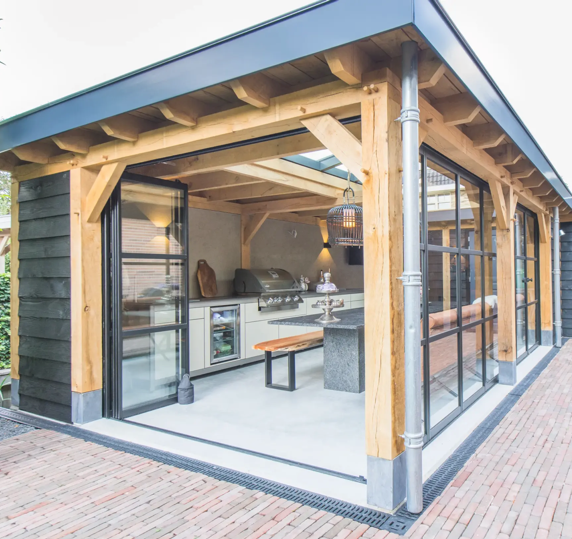
Three Materials, Three Characters
Timber, aluminium and plastic each feel completely different in use. Timber brings warmth and character, aluminium looks sleek and modern, and plastic is mainly practical and affordable. There's no single material that always wins — it comes down to what matters most to you: look, upkeep, lifespan or upfront cost.
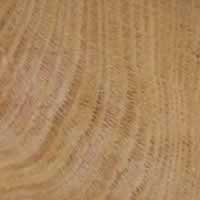
Timber Framed Buildings and Patio Covers: Pros and Cons
Pros
A warm, natural look that suits almost any garden style. With a sound foundation and (optional) periodic care, solid oak or Douglas fir is just as long-lasting as aluminium, and often cheaper up front than high-end aluminium systems.
Worth Knowing
Timber calls for a deliberate choice: let it weather to grey (virtually maintenance-free), or oil it periodically to keep the colour? With solid oak and Douglas fir, this is a choice, not a necessity — see our maintenance page for the details.
Aluminium Garden Canopies: Pros and Cons
Pros
A sleek, modern look that suits contemporary homes. Doesn't rust, is lightweight and needs almost no upkeep — the occasional clean is enough. Louvred aluminium roofs also give you direct control over sun and ventilation.
Worth Knowing
The upfront price is usually higher than timber, especially for high-end systems. For some, the sleek, industrial look lacks the warmth and hand-crafted character of solid timber.
Plastic (Polycarbonate) Patio Covers: Pros and Cons
Pros
Usually the most affordable option upfront. Polycarbonate roof panels let plenty of light through, keeping the patio bright. Light weight makes installation relatively straightforward.
Worth Knowing
Plastic traps heat, which can feel stuffy underneath on hot days. Rain is much more audible on it, and many find the look less premium than timber or aluminium.
What Does Each Material Cost?
Prices vary by material and specification, and depend heavily on size, roof style and finish. As a general rule: plastic is usually the cheapest entry point, timber offers strong value for a more premium look, and high-end aluminium systems (especially louvred roofs) require the biggest investment. With timber, also factor in occasional maintenance costs if you choose to keep the original colour — this largely disappears with aluminium and plastic. Use our calculator for a free, no-obligation estimate for your own project.
Why We Build in Solid Timber
At Hardwood Discount, we work exclusively with solid oak and Douglas fir, hand-jointed and built to measure — not a factory-extruded profile, but genuine craftsmanship. With a sound foundation and, if you choose, periodic care, a timber framed building is just as long-lasting as aluminium, while keeping the warm, natural character that only gets better with age.
Frequently Asked Questions
Does a timber framed building last as long as aluminium?
Yes, provided the foundation is sound (posts clear of the ground) and the timber is cared for as you wish. Solid oak and Douglas fir can last for decades.
Is timber more expensive than aluminium?
Usually not: timber often has a lower entry price than high-end aluminium systems, especially louvred roofs. Aluminium does have lower ongoing maintenance costs.
Do I need to treat a timber framed building every year?
No, that's a choice. Untreated timber weathers to grey naturally without losing strength. Only if you want to keep the original colour will you need to oil it periodically.
Which material suits a modern garden best?
Aluminium is often chosen for a sleek, modern look, but a black or dark-stained timber structure can achieve an equally sharp result while keeping the warmth of solid wood.