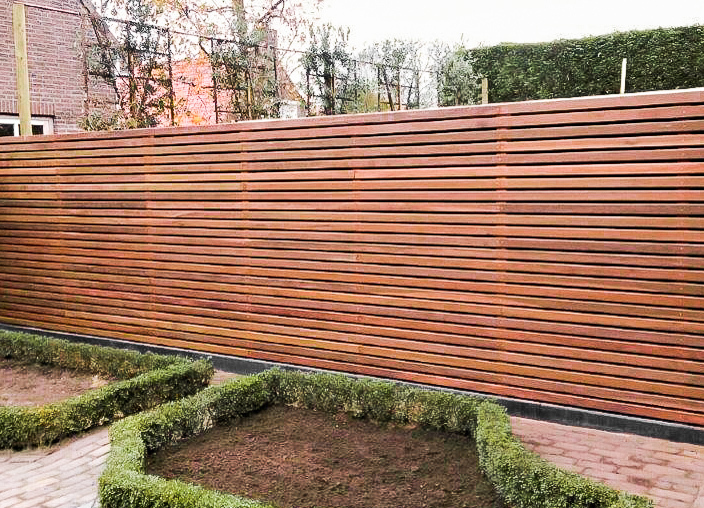
Fence Blown Down in a Storm: Are You Covered?
In short: storm damage to a garden fence is often not covered. Which? found that only 1% of buildings insurance policies pay out for storm damage to fences, gates and hedges. Some policies do cover a fence hit by a falling tree, so read the wording. If you are not covered, the fence owner pays, which makes posts that will not rot your best protection.
Does home insurance cover a fence blown down in a storm?
Usually not. Most buildings policies list fences, gates and hedges as an exclusion under storm damage. Look for these points in your policy:
- The storm section. Check whether fences, gates and hedges are excluded.
- Falling trees. Some policies cover a fence damaged by a falling tree, even when wind damage alone is excluded.
- Wear and tear. Rot and poor maintenance are excluded in almost every policy, and rotten posts are a common reason for refusal.
- Garden contents. Furniture and pots damaged by the fence may fall under your contents cover.
If a claim is refused, ask your insurer for the exact exclusion in writing. If you still disagree, you can take it to the Financial Ombudsman Service.
Who pays for a fence blown down between neighbours?
The owner of the fence. Your deeds or title plan often show who owns which boundary. If you share the fence, agree on the repair together before you order anything.
What to do after storm damage to your fence
- Make it safe. Remove loose panels or slats that could blow further or block a path.
- Take photos. Of the damage, the posts and the surroundings, before you clear up.
- Note the date and time. It helps if you do make a claim.
- Check your policy. Read the storm and falling trees sections before you call.
- Keep receipts. For emergency repairs and new materials.
Repair or replace?
If only a few slats are loose or broken, you can often replace them. If a post has snapped or rotted at the base, the rest of the run is rarely sound. Then replacing that section, or the whole fence, is the better choice.
A fence built to ride out a storm
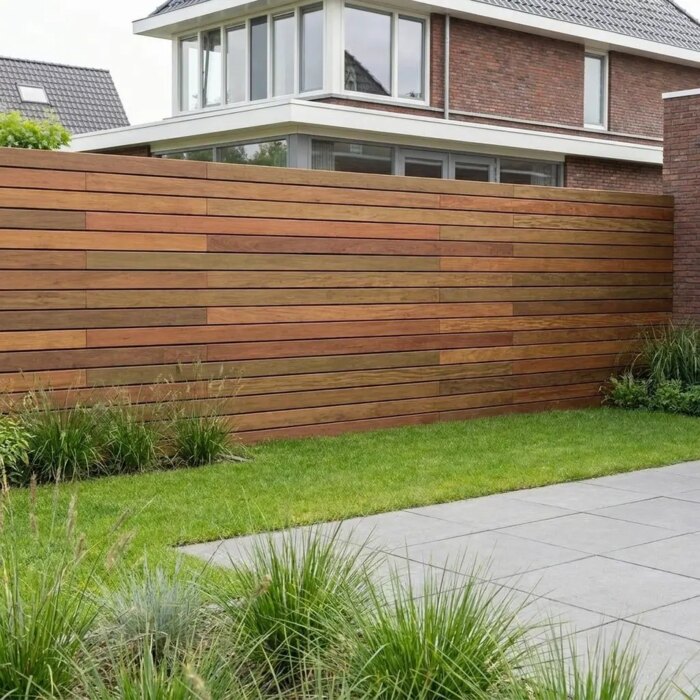
Posts are almost always the weak point in a storm. Our fences stand on 60 x 60 mm posts of azobe, also known as ekki. It is durability class 1 to 2 and suited to ground contact, so the base does not rot away like softwood. The Ipe slats are fixed to the posts with stainless steel clips. Ipe and azobe both last 25+ years.
Storm damaged fence questions
Are fences covered by buildings insurance in a storm?
Rarely. Which? found only 1% of policies cover storm damage to fences, gates and hedges. Check your own wording.
Is a fence damaged by a falling tree covered?
Sometimes. Some policies treat falling trees separately from wind damage. Read that section of your policy.
I rent my home. Who pays for the fence?
Check your tenancy agreement. Garden fences are not part of a landlord's standard legal repair duties, so the agreement usually decides who pays.
Time for a fence that lasts? Browse our Ipe fences or work out the materials with the fence calculator.
Tags for this article: Montage tips