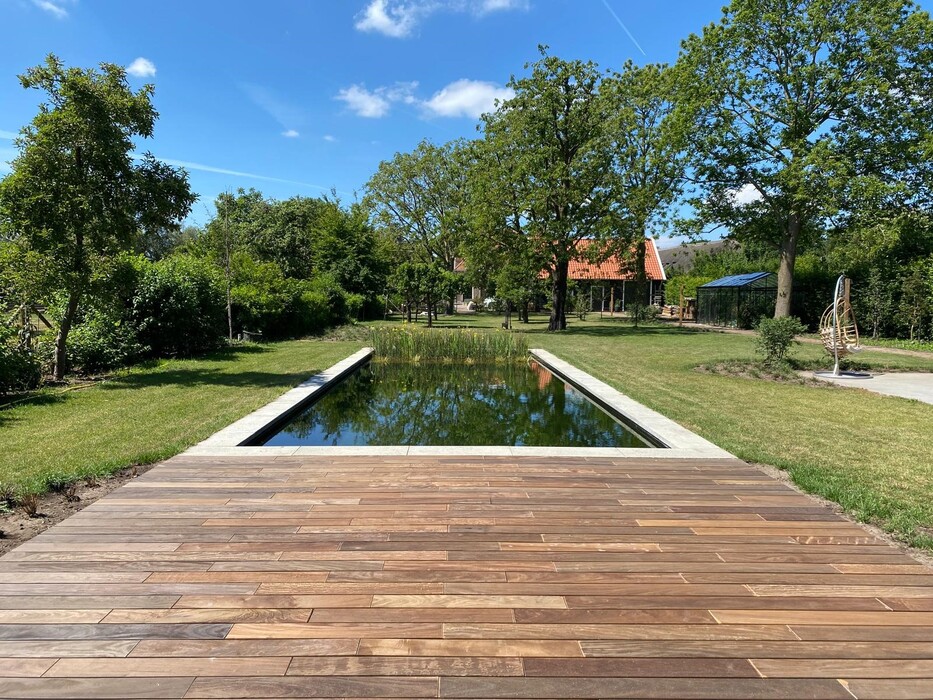
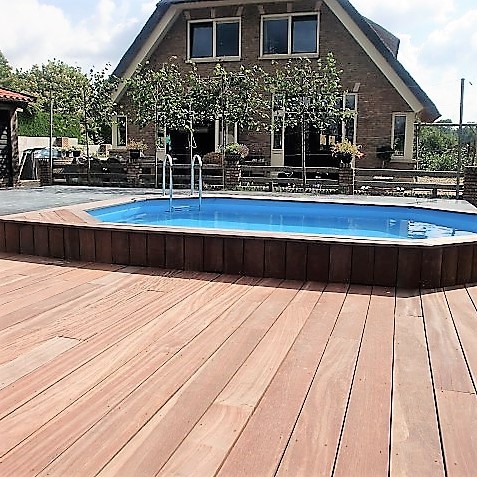
Contemporary pool surrounds
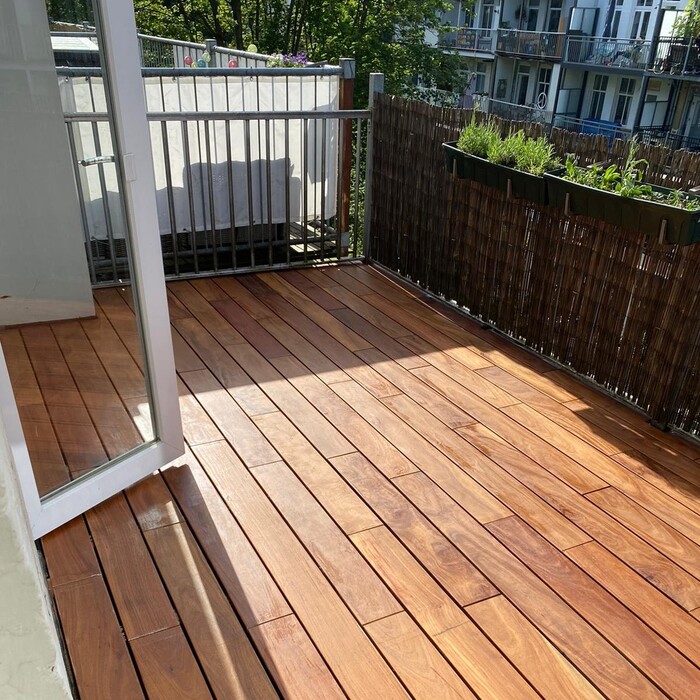
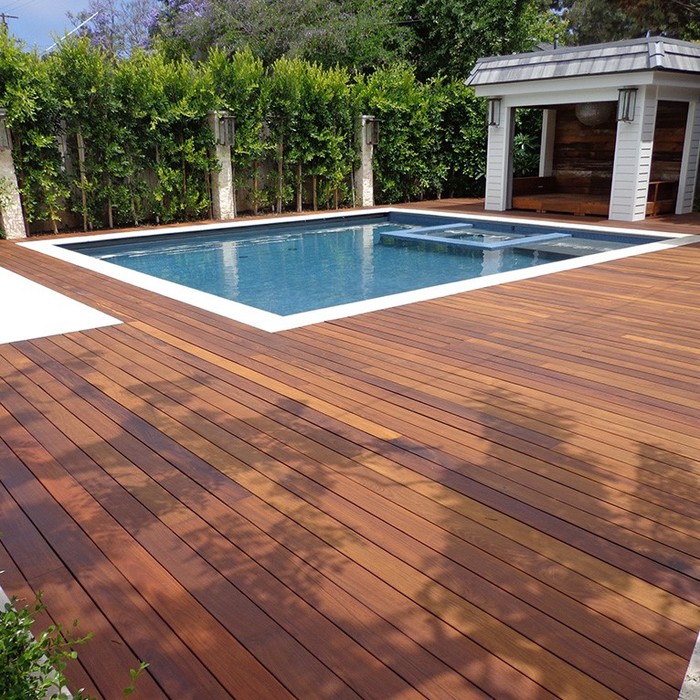
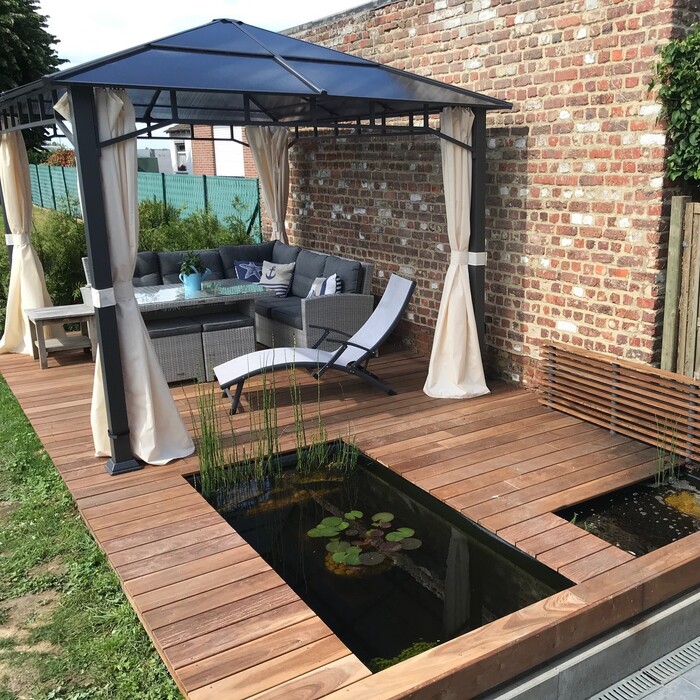
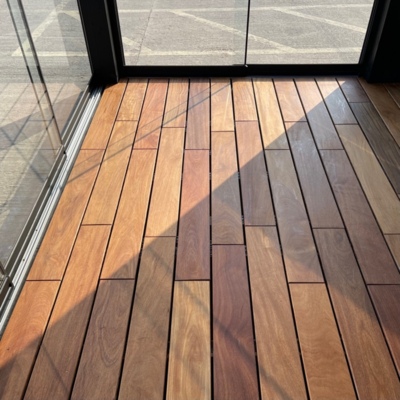
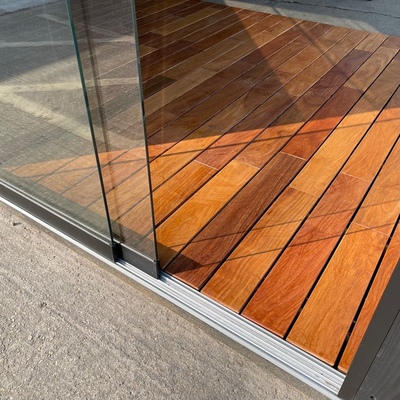
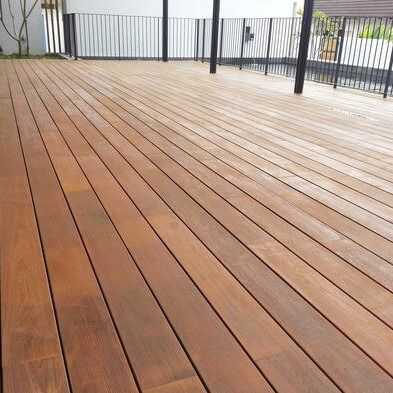
A concealed fixing system creates a calm hardwood surface around the pool without exposed metal screw heads. The regular gaps allow splash water and rainfall to drain between the boards.
Create a premium Ipe hardwood deck without visible screws using our complete concealed fixing system. Black clips disappear between the boards and automatically establish consistent 8 mm gaps. Matching hidden clips and stainless-steel screws are included with the compatible grooved decking boards.
All-in-one kit
Inc. Fixing clips
End-to-end connection
All-in-one kit
Inc. Fixing clips
End-to-end connection
| Anti-grey | |
| Low maintenance | |
| Thickness: | Any |
| Width: | Any |
| Length: | Any |
| Free: | Delivery |
| Black | |
| Perforated | |
| Anti-weed | |
| Thick: | 2.0 mm |
| Width: | 2.15 m1 |
| Length: | To choose |
| Application: | To choose |
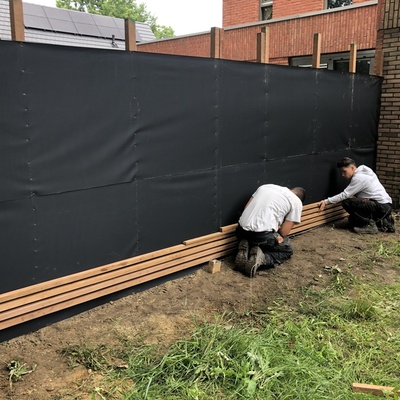
Privacy Backing Membrane
Acoustic / Sound-Reducing
100% Sightproof
Black steel coated
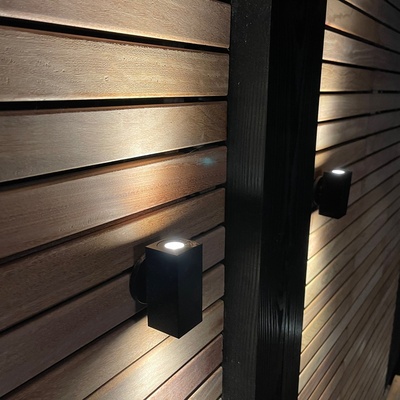
Dimmable LED
Modern wall lighting
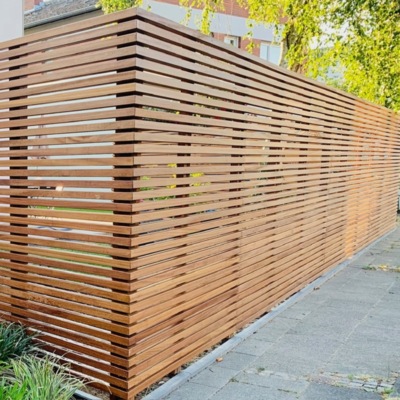
Ipe 4.0 x 4.0 cm slats
Free backing membrane
All-in-one delivery
Solid & private
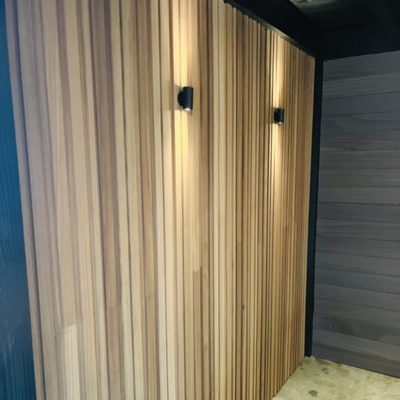
Modern barcode cladding
All-in-one delivery
Ipe 4.0 x 4.0 cm slats
Free backing membrane
All-in-one delivery
| Ipe | |
| Deck fastening | |
| Long lengths | |
| Length: | 3.00 + 3.60 m1 |
| Free: | Screws + Clips |
| Ipe - degreaser | |
| Starter kit | |
| Complete set | |
| Thickness: | Any |
| Width: | Any |
| Length: | Any |
| Free: | Delivery |
| Deck fastening | |
| Wood click system | |
| Long lengths | |
| Length: | 1.80 m1 |
| Free: | Screws + Clips |
7 to 14 days delivery time
For Fence and Decking
Free delivery from £4300
Up to £4300 delivery charge £250
Parcel service (small box) delivery £26
Package L
From £ 4.300 free deliveryPackage XL
From £ 4300,- free deliveryPackage L
From £ 4300 free deliveryPackage XL
From £ 4300,- free deliveryPackage L
From £ 4300 free deliveryPackage XL
From £ 4300,- free deliveryPackage L
Delivery price on requestPackage XL
Delivery price on requestIpe hardwood • Hidden fixings • No visible screw heads
A premium timber deck should be defined by the wood rather than rows of metal fixings. Our Ipe hardwood decking uses a concealed fixing system that secures each board through precision-machined grooves along its sides. The black clips and stainless-steel screws remain hidden between and beneath the boards.
Because the visible face of the decking is not drilled during standard installation, the grain and warm colour variation remain uninterrupted. Each clip also acts as a spacer, automatically creating a consistent 8 mm gap for a clean layout, rainwater drainage and the natural movement of the timber.
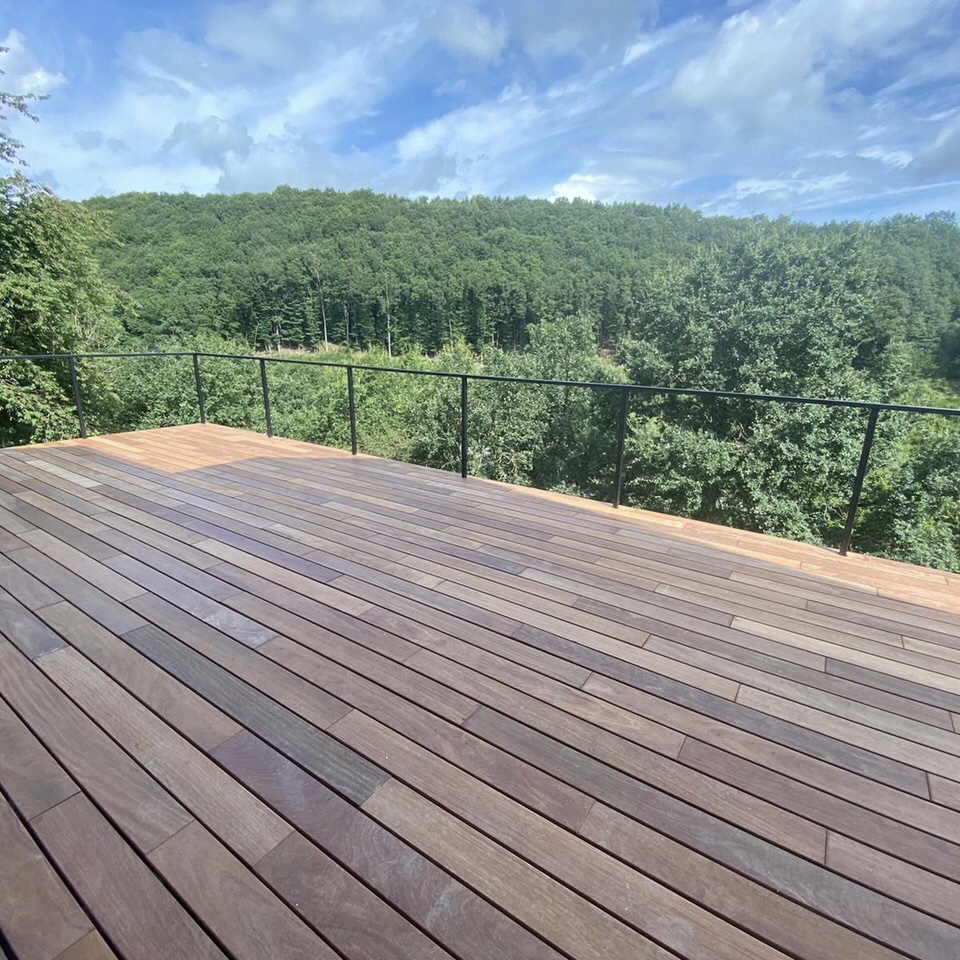
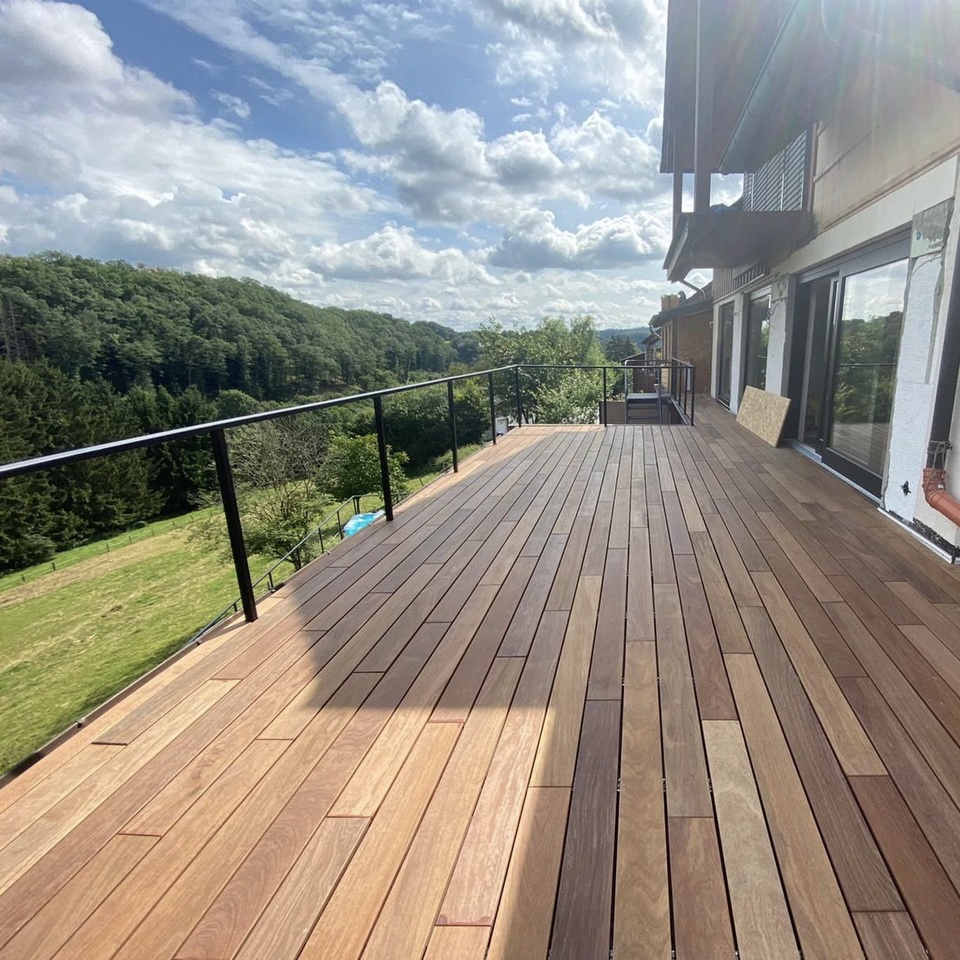
The visible difference: long Ipe board lines, consistent gaps and natural hardwood, without rows of screw heads interrupting the surface.
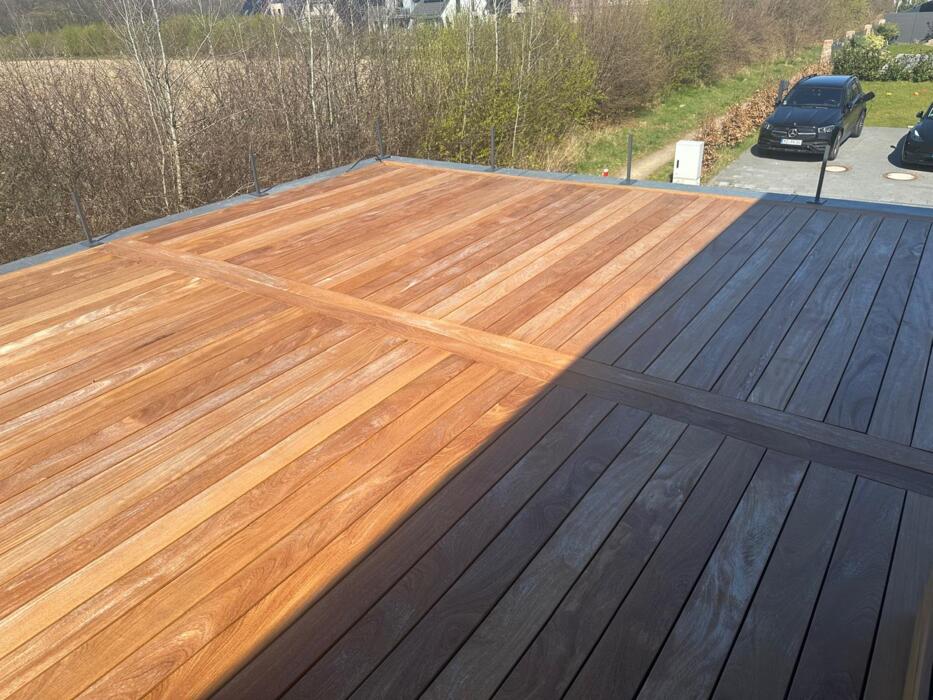
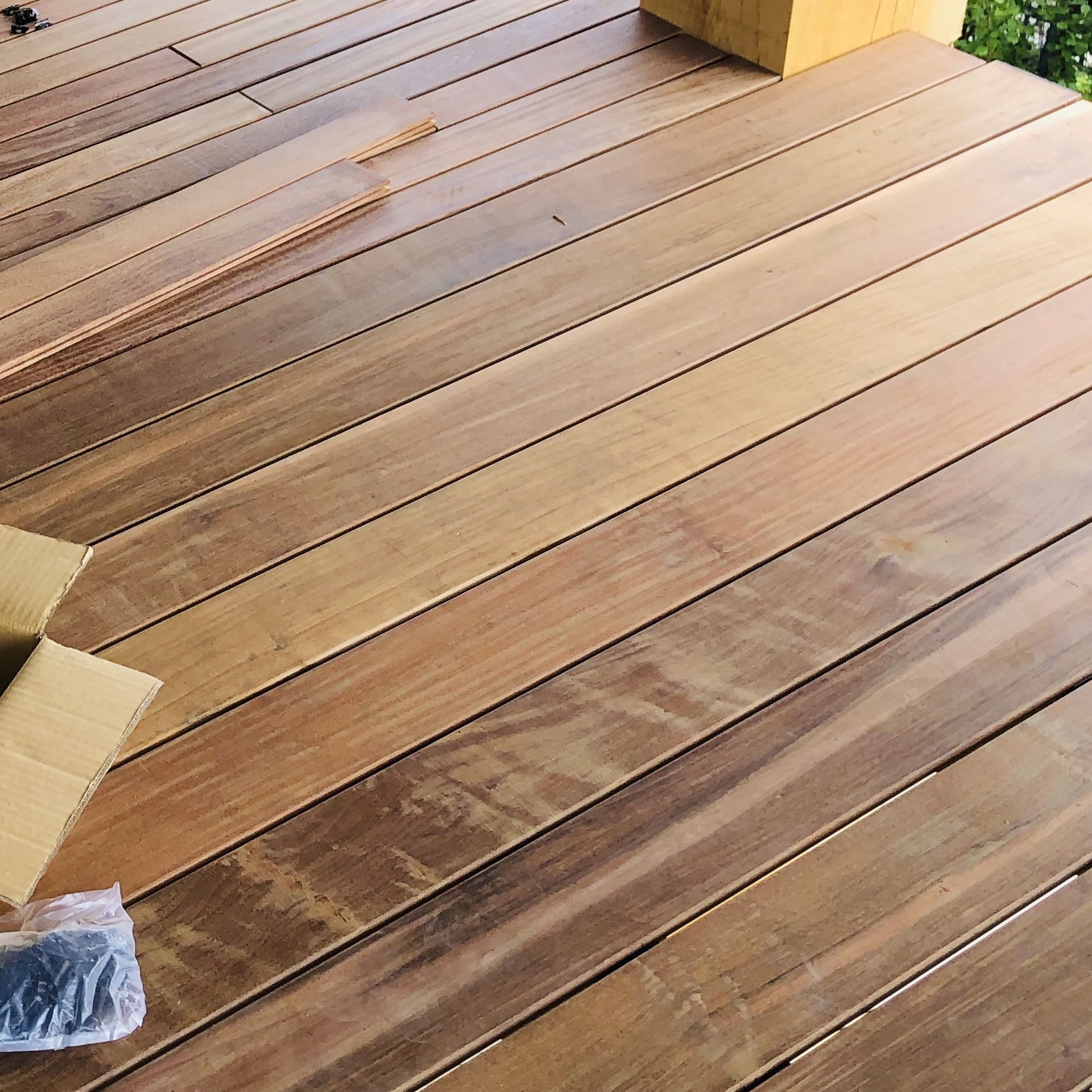
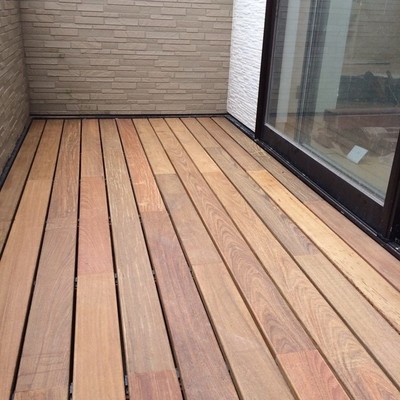
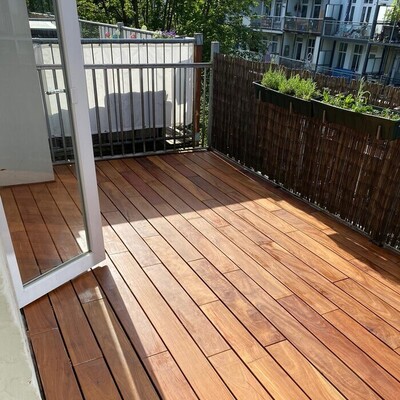
Completed Ipe deck with concealed fixings and a consistent 8 mm gap between the boards.
The clips and screws sit between and beneath the boards rather than through the visible face.
Every clip automatically sets the same spacing between adjoining Ipe decking boards.
Matching black clips and stainless-steel screws are supplied with our grooved decking boards.
Exceptionally dense, stable and naturally durable timber suited to demanding outdoor projects.
Side grooves • Black clips • Concealed stainless-steel screws
Traditional face-fixed decking is drilled and screwed through the top of every board. Even when the screws are carefully aligned, their heads remain visible across the finished surface. Our hidden fixing system instead uses precision-machined grooves along both long edges of each Ipe board.
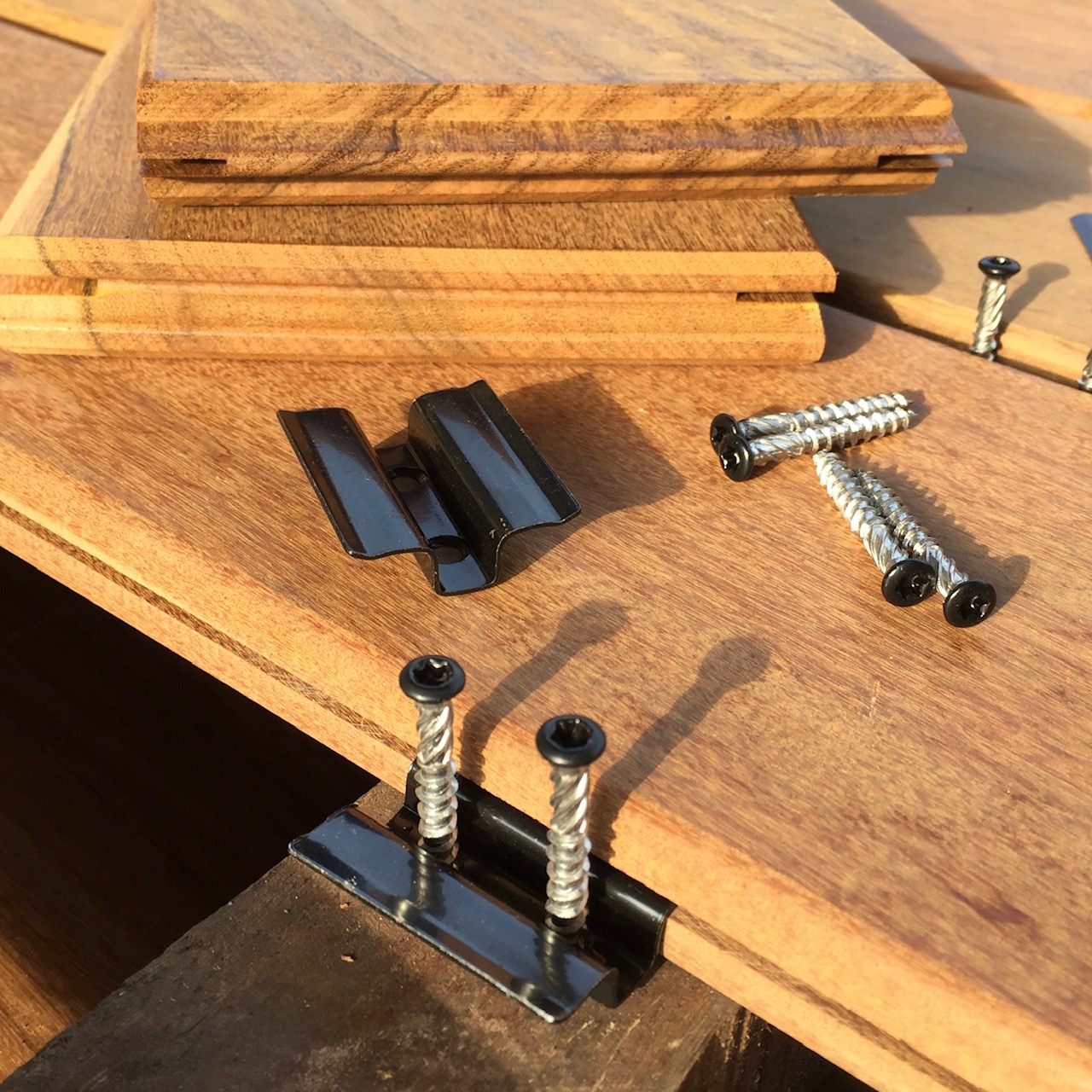
A black fixing clip is inserted into the side groove and secured to the hardwood joist with a matching stainless-steel screw. The next decking board slides onto the clip, concealing both the fastener and screw beneath the edges of the adjoining boards.
Each clip secures the side of the Ipe board, keeps the stainless-steel screw below the visible surface and acts as a fixed spacer. This automatically creates a consistent 8 mm gap along every board run.
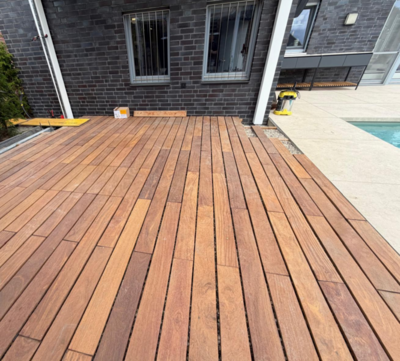
The clip fits inside the side groove and keeps the fixing screw below the visible face of the deck.
The hidden clips secure the long edges of the decking boards to the subframe and establish the 8 mm gap. The end-matched connection joins separate board lengths at their ends, creating controlled joints within a visually continuous board run.
These two details work together but are not interchangeable: the side clips conceal the fixings, while the end connection allows 3, 4, 5 and 6 metre boards to be combined efficiently across the deck.
Two fixing methods • One clearly visible difference
With conventional face fixing, every decking board contains several visible fixing points. A concealed clip system places the emphasis on the timber, the direction of the boards and the consistency of the gaps. The comparison below shows how strongly the fixing method affects the finished deck.
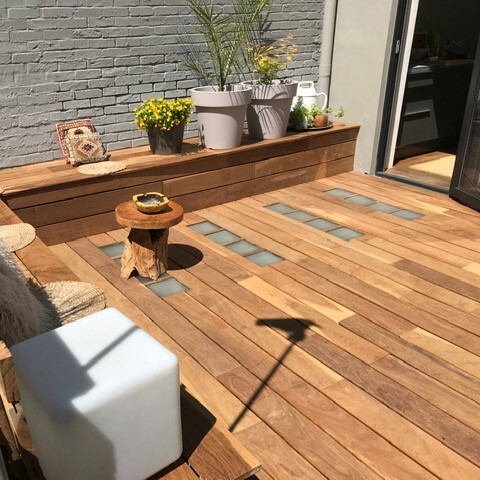
Without exposed fixings, an Ipe deck reads as a considered hardwood floor for the outdoors. Attention shifts towards the board direction, the connection with the property and the relationship between timber, glazing, stone, water and planting.
This restrained finish works particularly well in contemporary gardens, city terraces, pool surrounds, balconies and roof terraces where precise detailing forms an important part of the design.
This system does not rely on drilling holes and concealing them afterwards with plugs. During standard clip installation, the visible face of the Ipe board is not drilled at all. The clean appearance is therefore built into the fixing method rather than added as a finishing treatment.
Consistent spacing • Drainage • Natural timber movement
A refined deck is not defined solely by the absence of visible screws. The spacing between the boards must also remain consistent across the complete area. Our black hidden clips therefore perform two jobs: they secure each Ipe board and act as accurately sized spacers.
The system automatically creates an 8 mm gap between the long edges of adjoining decking boards. This produces a clear, regular pattern while allowing rainwater to drain and giving the hardwood room for its limited natural response to changes in moisture and temperature.
The distance between the boards remains even from the first row to the final edge of the deck.
Rainwater can pass between the boards rather than remaining unnecessarily on the decking surface.
Even highly stable Ipe remains a natural material that responds slightly to its surrounding conditions.
The clips establish the correct distance, so every individual gap does not need to be measured by hand.
Setting every board gap manually can introduce small variations. Across several rows, these minor differences may accumulate and leave the final boards running out of alignment with the building or outer edge.
Because every clip provides the same spacing, the decking follows a fixed installation rhythm. The first row must still be positioned accurately, as it establishes the line followed by the rest of the deck.
Garden decks • Roof terraces • Pool surrounds • Balconies
Hidden fixings improve the appearance of almost any timber deck, but their impact is greatest where the decking forms a prominent part of the architecture. This includes outdoor spaces viewed through large glazed doors, areas visible from several directions and decks designed as direct extensions of the home.
The uninterrupted Ipe surface and consistent board spacing work equally well on compact balconies, contemporary garden decks, roof terraces, pool surrounds and waterside structures.
A hidden-fix deck is not reserved for large architectural projects. A garden deck viewed every day from the kitchen, dining area or living room benefits just as much from a clean timber surface and carefully aligned board runs.
Without rows of screws breaking up the surface, the board direction has a stronger influence on how the space feels. Boards laid lengthways can visually extend a narrow garden or balcony, while boards running across the area emphasise its width. Begin with the most important sightline from the property.
Hardwood joists • Maximum 400 mm centres • Effective airflow
Even the best concealed fixing system can only produce a straight, stable deck when the supporting structure is level and accurately aligned. Variations in height or joists that run out of line will be reflected in the finished board runs and cannot be corrected by the clips.
Ipe has an approximate density of 1,050 kg/m³ and is one of the heaviest and hardest timbers used for external decking. The subframe must therefore provide a durable, load-bearing foundation. We recommend stable hardwood joists, secure support and as much free airflow beneath the deck as the site allows.
Use a subframe with durability and stability appropriate for long-lasting Ipe decking. A short-lived base compromises the complete structure.
Space the supporting joists no more than 400 mm apart, measured from centre to centre. This provides sufficient support for the boards and their end connections.
Where the construction permits, provide at least 100 mm of open space beneath the boards. Good ventilation helps reduce moisture differences around the timber.
Check the complete subframe with a long straightedge or laser. Hidden clips follow the structure beneath them and do not compensate for uneven joists.
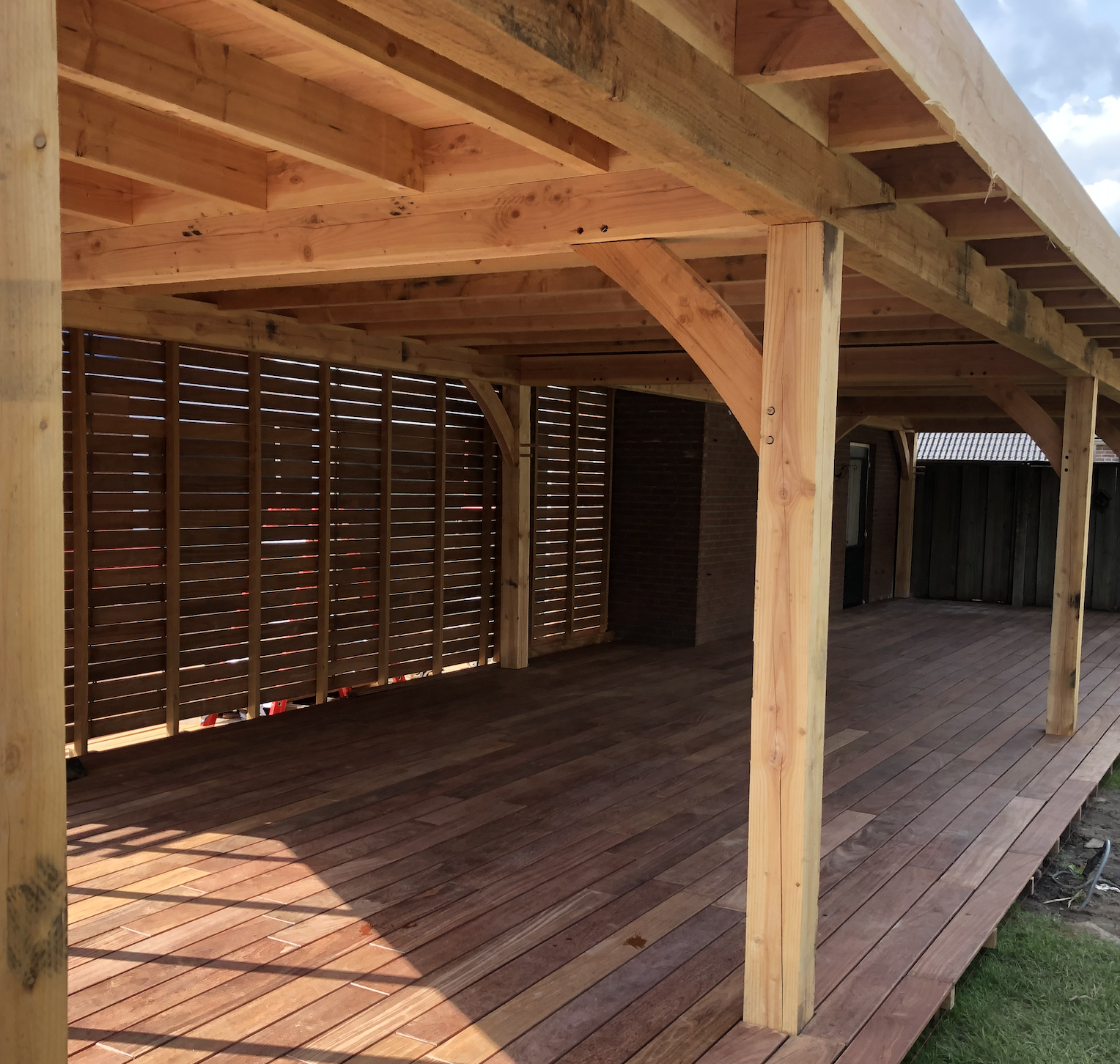
Where two decking boards connect through the machined end joint, the connection must be structurally supported. Position the joint directly above a joist or introduce additional local support beneath it.
Distribute the end joints across different board rows rather than arranging them in a single continuous line. This creates a stronger laying pattern and a more natural, visually continuous finish.
Set out the first board carefully in relation to the property, outer deck edge and principal sightline. The clips maintain consistent spacing between subsequent rows, but they will also carry forward an incorrectly positioned starting line.
End-matched boards • Continuous lines • Refined deck edges
A premium deck depends on more than concealing the fixings. The board layout, end joints and exposed edges must also be carefully resolved. Our Ipe decking therefore combines side grooves for the hidden clips with a precision-machined connection at the ends of the boards.
The end-matched profiles fit neatly together, allowing different board lengths to be combined within one continuous run. Instead of a wide, randomly open butt joint, the connection forms a small and controlled V-shaped detail.
The side clips secure the decking to the joists, while the end-matched connection joins different lengths within the same board run. The two details work together but perform separate functions.
The end-matched profile allows available lengths of 3, 4, 5 and 6 metres to be distributed efficiently across the deck. Suitable offcuts can often begin or complete another row, reducing avoidable waste while creating a natural staggered pattern.
Do not arrange every end joint along one continuous line. Stagger the connections across several board rows and ensure each joint is properly supported by a joist or additional local support. This produces a stronger layout and a more natural continuous-board effect.
Warm brown colour or natural silver-grey weathering
The concealed fixing system does not require separate surface maintenance. Clips and stainless-steel screws remain protected between and beneath the boards. Ongoing care therefore focuses on the Ipe timber and whether you prefer to retain its original brown tones or allow it to weather naturally.
Untreated Ipe gradually develops a silver-grey surface patina through exposure to sunlight and weather. This natural colour change does not alter the timber’s durability class. To preserve the warm brown appearance, treat the boards in good time with a suitable, thin-bodied pigmented oil formulated for dense tropical hardwood.
A suitable pigmented decking oil deepens the natural brown tones and provides additional surface protection against moisture, dirt and intense UV exposure.
Without ongoing colour maintenance, the visible surface develops a silver-grey patina. The speed and consistency of this process depend on sunlight, rainfall, orientation and areas of shelter.
For balanced initial protection and to meet the applicable warranty conditions, oil the reverse of every board once before installation. After fitting, treat the visible face twice within a maximum of one week.
Apply one coat of suitable hardwood oil to the reverse of each board.
Apply two coats to the visible face within one week of fitting.
Apply above 15 °C and allow approximately eight hours of drying time.
Do not simply apply oil over an already weathered surface. Clean and restore the timber first using products suitable for dense tropical hardwood. Oil should only be applied once the boards are clean, dry and evenly prepared; otherwise it offers little value for restoring the original colour.
Completed projects • Concealed clips • Precise board layouts
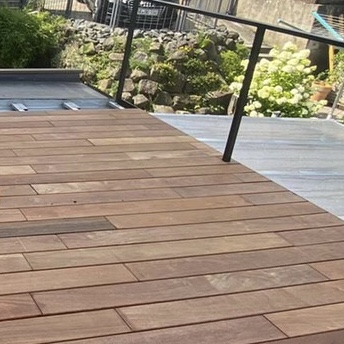
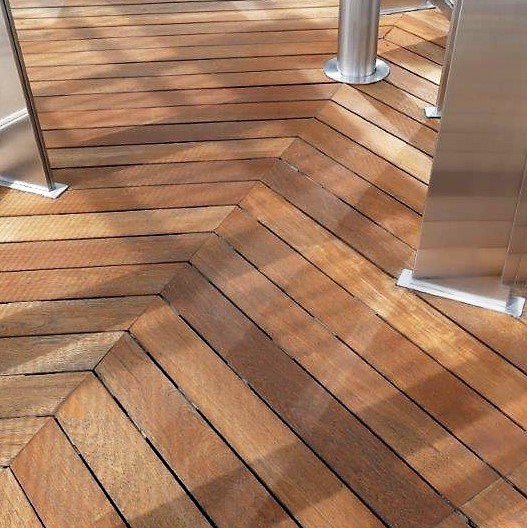
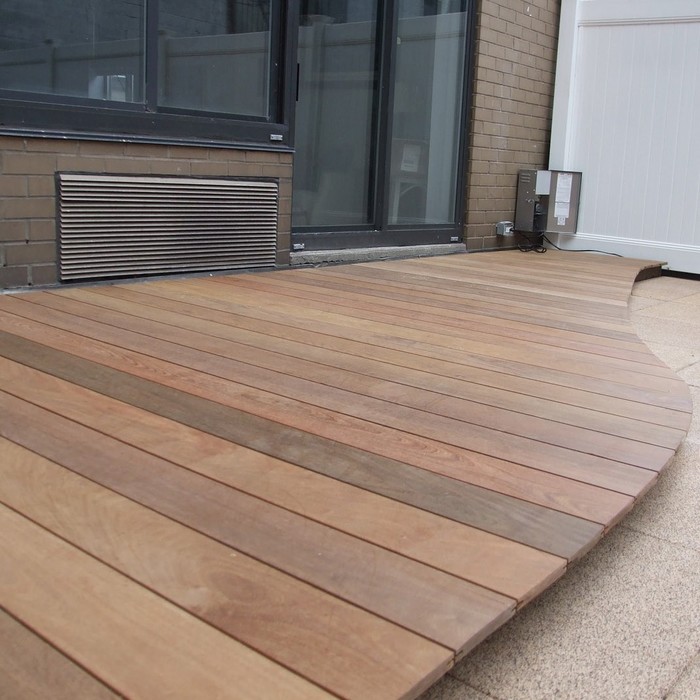
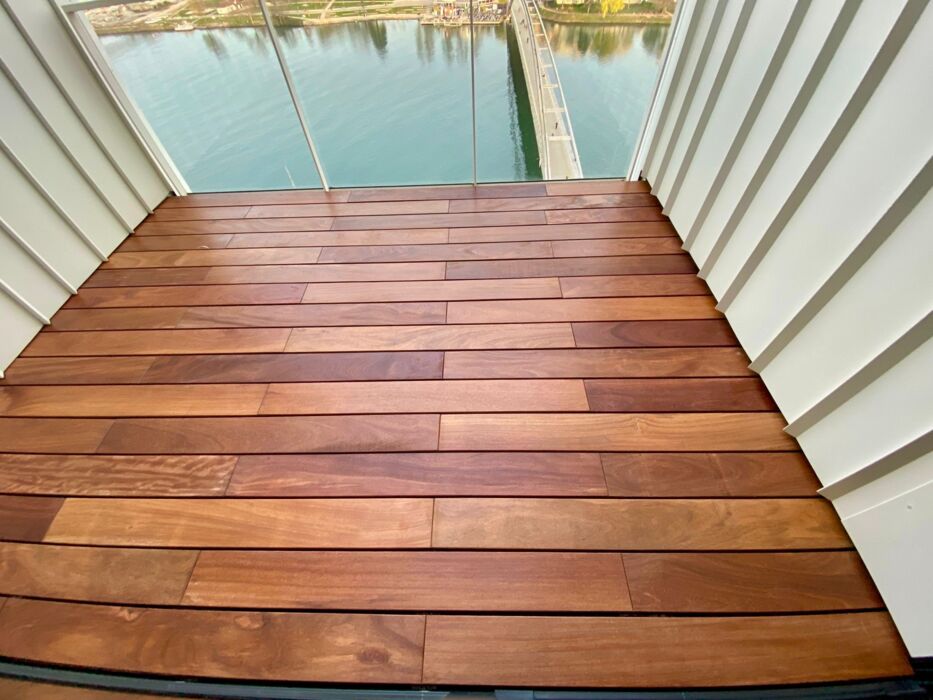
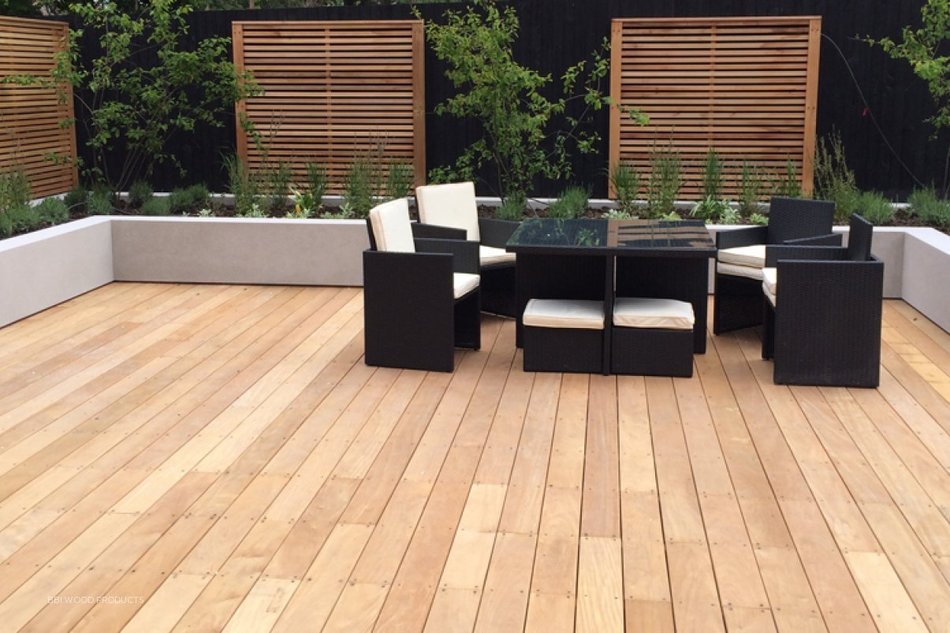
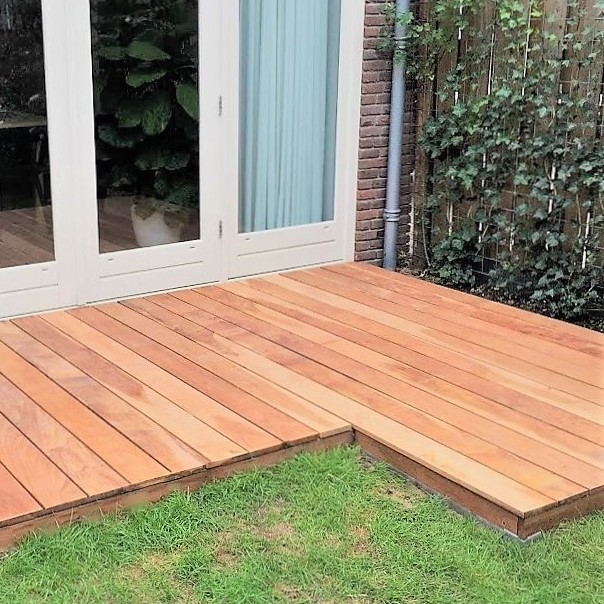
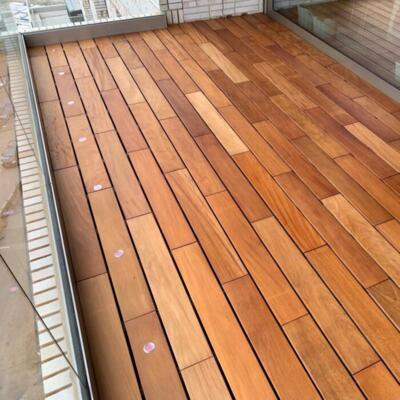
These projects demonstrate how strongly the fixing method influences the finished deck. Despite their different sizes, shapes and surroundings, they share the same restrained appearance: uninterrupted Ipe boards, consistent gaps and no rows of screw heads across the visible surface.
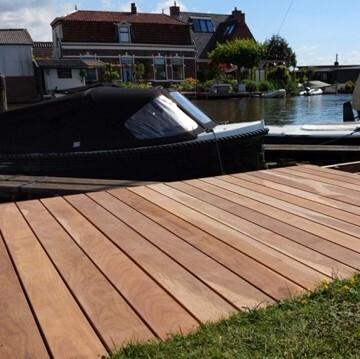
From a compact deck adjoining the house to a large waterside terrace, the fixings remain in the background. The natural timber colour, board direction and quality of the detailing define the finished space.
A hidden fixing system can be explained technically, but the finished result matters most. These projects show how gap width, board direction, end connections and edge details combine to create one coherent decking surface.
We specialise in Ipe and support homeowners, landscapers, contractors and designers with board layouts, subframe construction and concealed installation. That practical product knowledge underpins every complete decking system we supply.
Begin with the dimensions of the area and decide on the preferred board direction. The required Ipe boards, black fixing clips, stainless-steel screws and subframe components can then be assembled as one compatible system.
Frequently asked questions • Technical guidance • Complete fixing system
A concealed-fix deck looks calm and uncomplicated, but that finish depends on a complete system of grooved boards, clips, screws and a correctly constructed subframe. Below are answers to the most important questions about installation, spacing and lifespan.
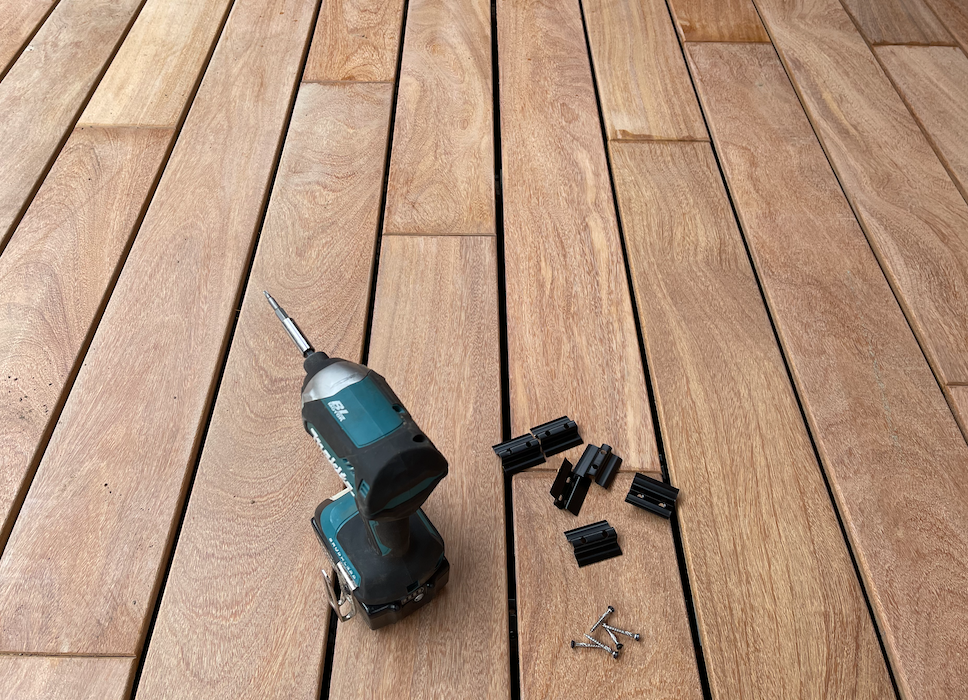
The side groove in the Ipe board, the black fixing clip and the matching stainless-steel screw form one compatible system. The clip fits accurately inside the groove and simultaneously establishes the 8 mm gap.
There is no need to combine unrelated fixings or position separate spacers between every board during installation.
No. Stainless-steel screws securely fasten the structure. They pass through black clips positioned between the decking boards and into the supporting joists. Once installed, the screws are not visible across the deck surface.
Yes. Our compatible grooved Ipe decking boards are supplied with the matching black fixing clips and stainless-steel screws. This provides one complete system with components designed to work together.
The clips automatically create a consistent 8 mm gap. This spacing supports rainwater drainage, airflow around the deck structure and the limited natural movement of the hardwood.
Yes, the system is suitable for an experienced DIY installer. A level hardwood subframe, maximum joist centres of 400 mm, effective ventilation and an accurately aligned first board are essential.
Ipe belongs to natural durability class 1 and can last for 25+ years when supported by a professionally built, well-ventilated structure. The final lifespan also depends on the foundations, subframe, exposure and maintenance.
Choose a complete system of grooved Ipe decking boards, black fixing clips, stainless-steel screws and a compatible hardwood subframe. Enter the deck dimensions to calculate the materials required for your project.
Hardwood Discount • Ipe specialists • Complete fixing system • Black clips and stainless-steel screws included